Workflows That Work Anywhere
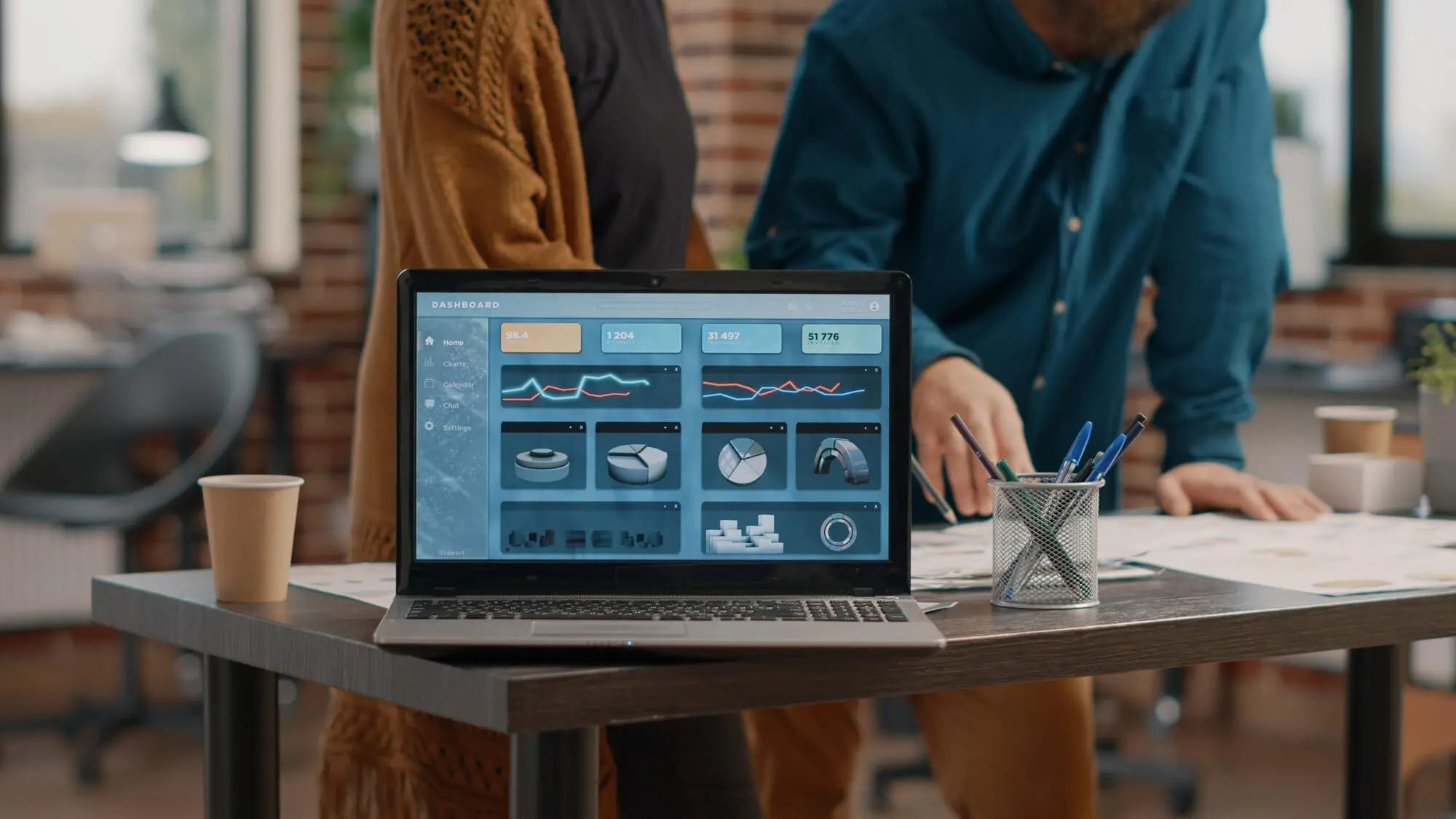

Today we dive into small-scale automations tailored for remote and hybrid teams, focusing on practical, humane improvements that save minutes, reduce friction, and create visible momentum. Expect real stories, ready-to-adapt patterns, and thoughtful guardrails. We’ll show how tiny bots, smart triggers, and gentle nudges transform scattered collaboration into steady progress without disrupting culture, trust, or focus. Share your current bottleneck in a quick message, and we may design a micro-solution together in the next update.

Spot Repetitive Nudges

Track every recurring reminder you send across Slack, Teams, or email for one week. Patterns will surface quickly: missing updates, overdue reviews, orphaned tickets. Convert the top offender into an automated schedule or event-based trigger. Celebrate reclaimed minutes publicly to model healthy behavior. Invite teammates to nominate the next candidate and vote, building momentum through transparent, shared wins that reinforce trust and agency.

Map One Tiny Outcome

Choose a single desired result, like “daily status posted by noon” or “handoff links attached automatically.” Sketch inputs, trigger, and output in ten minutes on a virtual whiteboard. Keep it embarrassingly small and reversible. Deploy to one channel, observe for a week, adjust wording and timing. Quietly retire anything that annoys people, then share your improved version widely when feedback becomes consistently appreciative, not merely tolerant.

Co-Create With the Team

Invite two frontline colleagues to pair-build. They understand the texture of work, the spreadsheets, and the tab chaos. Record a short walkthrough while building the first automation, narrating decisions and tradeoffs. Publish as a living note so others can fork safely. Rotate ownership monthly to avoid burnout. Over time, this lightweight collaboration grows capability across the team, creating confident maintainers instead of fragile, hero-driven systems.

Tools That Fit Into Daily Conversations

The best tools disappear into places you already work: chat threads, calendar invites, pull requests, or lightweight forms. We’ll anchor actions to familiar moments so nothing feels like a detour. Use no-code connectors to bridge services and keep humans in the loop through friendly confirmations. When an automation acts, it should sound like a helpful colleague, not a robot overlord. Start simple, observe tone, and tune wording for warmth and clarity.

Slack Slash Commands That Respect Focus

Introduce one command that captures a frequent micro-action, like /checkin or /handoff. Default to brevity and avoid noisy channel posts by routing confirmations to threads. Add ephemeral previews so people can cancel before posting. Localize language to match team voice. Log minimal metadata needed for learning. Reassess usage monthly to prune options. As confidence grows, expand one tiny step at a time to avoid surprising anyone during deep work.

Email-to-Board Bridges That Tame CC Storms

Transform chaotic email requests into structured cards with a single forward. Auto-fill labels based on address or subject, attach original text for context, and ping the right channel privately. Include an unsubscribe footer for accidental senders. Summarize weekly card intake so managers stop chasing threads. Make editing smooth for non-technical teammates by preserving familiar reply behaviors that sync cleanly back into the tracking system without new logins or special training.

Calendars as Quiet Orchestrators

Use calendar events as reliable triggers: when a meeting ends, post notes templates; when a sprint starts, open tasks; when a holiday approaches, pause alerts. Keep colors meaningful and shared. Send gentle pre-meeting checklists through DMs instead of emails. Integrate time zone awareness automatically to avoid night pings. After pilots, freeze naming conventions to reduce confusion. Always include easy opt-outs so individuals retain control over notifications and availability.

Designing for Time Zones and Async Reality

Handovers That Never Block Progress

Standardize a short handover bundle: goal, current state, single blocker, next action, and authoritative links. Auto-prompt for it at day’s end and store it where the work lives. Post a thread summary when the baton passes. If no change occurs within twenty-four hours, nudge the owner privately, not publicly. This preserves dignity, reduces panic, and keeps momentum flowing across oceans without late-night alarms or frantic status chases.

Status Without Standups

Standardize a short handover bundle: goal, current state, single blocker, next action, and authoritative links. Auto-prompt for it at day’s end and store it where the work lives. Post a thread summary when the baton passes. If no change occurs within twenty-four hours, nudge the owner privately, not publicly. This preserves dignity, reduces panic, and keeps momentum flowing across oceans without late-night alarms or frantic status chases.

Notifications That Age Gracefully

Standardize a short handover bundle: goal, current state, single blocker, next action, and authoritative links. Auto-prompt for it at day’s end and store it where the work lives. Post a thread summary when the baton passes. If no change occurs within twenty-four hours, nudge the owner privately, not publicly. This preserves dignity, reduces panic, and keeps momentum flowing across oceans without late-night alarms or frantic status chases.

Onboarding and Knowledge Capture by Default

Every automation can teach. We’ll embed short explanations, links to decisions, and living checklists into each step. New hires learn as they work, not through giant manuals that age immediately. Incident notes become reusable playbooks. Questions asked twice graduate into friendly, searchable answers. This habit reduces rework, lifts confidence, and turns turnover into continuity. Invite newcomers to suggest improvements early, signaling that clarity and kindness are everyone’s job, not gatekept expertise.

01

Checklists That Build Themselves

When a workflow starts, generate a contextual checklist from templates, inserting owners, links, and due windows. Each completed item leaves a tiny breadcrumb back to source systems. A post-completion prompt asks, “What was missing or confusing?” Those edits update the template. Over months, the process becomes sharper without a committee. People feel supported, not policed, because the list reflects real work, living language, and today’s truth rather than yesterday’s assumptions.

02

FAQ Bots With a Human Heartbeat

Seed a conversational bot with authentic, plain-language answers sourced from teammates. Include citations to policies and recent examples. When it cannot answer, route politely to a human and remember the resolution. Weekly, suggest new entries to an editor for approval. Keep tone warm and specific, never corporate. As accuracy rises, the bot handles the repeatable while humans focus on novel, sensitive, or subtle questions that require judgment and empathy.

03

Playbooks That Improve After Each Incident

After incidents, auto-create a structured timeline and draft postmortem from chat, commits, and alerts. Tag contributing factors and attach customer-facing notes. In the review, capture one preventive step and one detection improvement. Link both into backlog with owners and dates. The playbook updates itself, reducing future stress. Over time, muscle memory forms, and even new teammates can coordinate calmly because the next right move is already visible.


Measuring Impact Without Killing Momentum

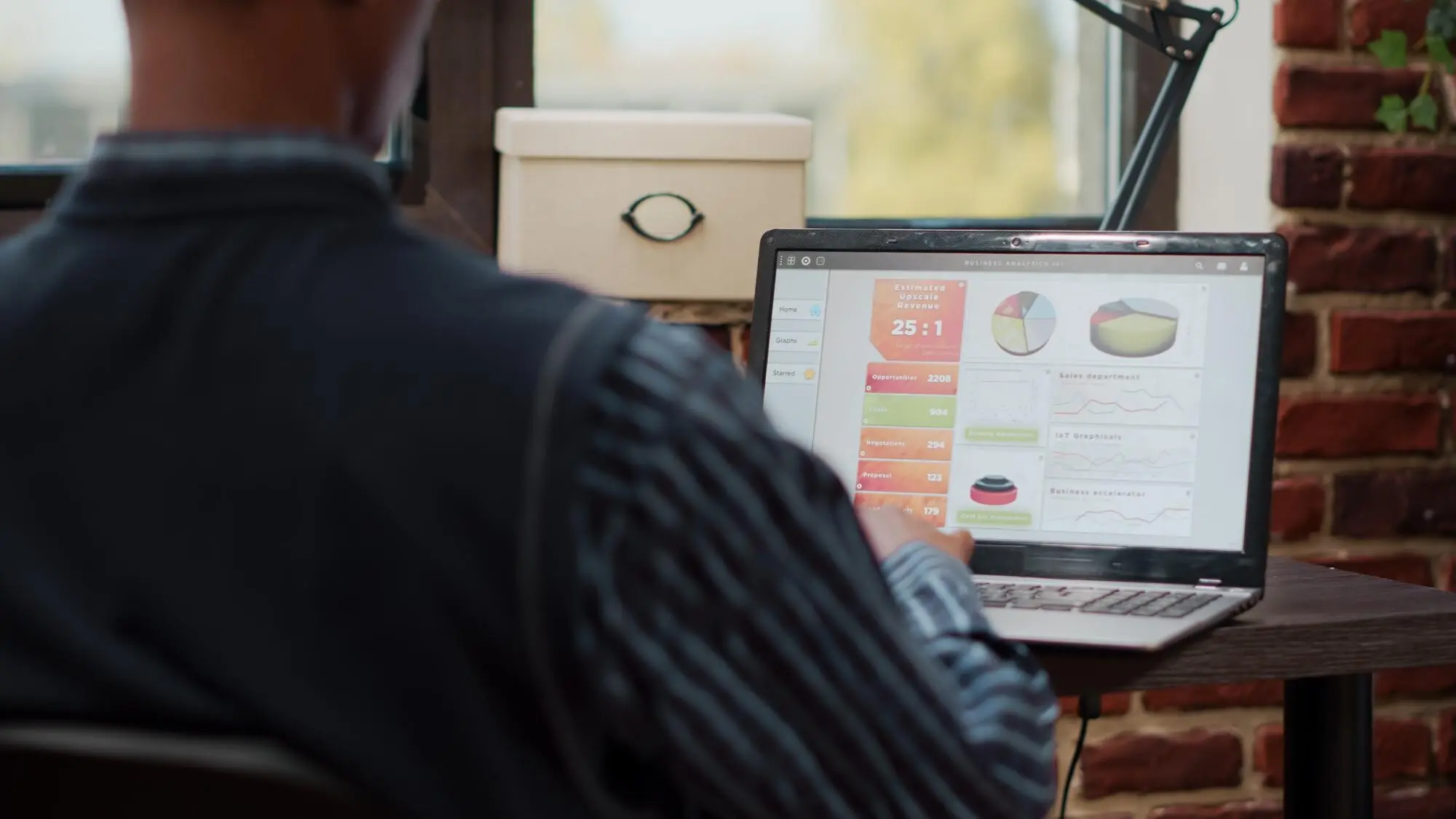
Metrics should clarify, not pressure. We’ll track a tiny set: minutes saved, handoff latency, alert noise reduction, and satisfaction signals. Each number supports a story about human experience, not just efficiency. Share lightweight dashboards in channels where work already happens. Celebrate anecdotes alongside charts. Invite replies with counterexamples and edge cases to refine designs. The goal is confidence and alignment, not surveillance. When measures feel caring, adoption rises naturally and sustainably.

Security, Governance, and Calm Change Management
Small automations still touch sensitive spaces. We’ll bake in least privilege, human-readable audit trails, and reversible rollouts. Use approvals that add seconds, not days, and pair them with clear context so reviewers feel confident. Version everything in plain text, with templates and checklists for requests. Communicate changes before, during, and after, respecting different time zones. When mistakes happen, recover gracefully, document learnings, and update defaults so the same surprise never repeats.

Keeping Automations Alive Through Iteration

Automations are living agreements with reality. They drift as tools, teams, and goals evolve. We’ll assign owners, schedule health checks, and prune boldly. Document in the open so anyone can learn or take over. Bundle improvements into small, well-named releases to avoid surprise. Invite feedback continuously through threads and emoji signals. When a workflow stops pulling its weight, thank it publicly and retire it graciously. Lightness keeps the entire system resilient.

Well-Being and Culture Powered by Gentle Bots

Break Reminders That Feel Like Teammates

Offer optional, context-aware prompts that align with calendar blocks and local time. Use friendly language and varied suggestions—stretch, breathe, step outside, refill water. Track only aggregate adoption to protect privacy. After a pilot, publish outcomes like reduced afternoon error rates or improved survey mood. Keep the opt-out obvious. When people feel cared for rather than managed, small wellness cues become welcomed companions instead of noise intruding on valuable deep work.

Celebrations That Cross Locations

Automate gentle shout-outs for milestones, merges, customer notes, or helpful peer reviews. Encourage specifics: what changed and why it mattered. Rotate spotlight time zones so no one is always asleep when kudos land. Provide accessible templates for nominations. This spreads recognition beyond the usual voices, improving belonging. Regular, sincere appreciation stabilizes distributed culture, reminding everyone that outcomes are shared, effort is seen, and distance cannot cancel the joy of collaborative progress.

Boundary-Setting That Protects Deep Work

Enable one-click status modes that pause non-urgent pings, set expectations, and schedule batch deliveries. Share quiet hours publicly, with respectful overrides for true emergencies. Provide managers with coaching tips on modeling boundaries. Summarize after-hours messages in next-day digests. Over months, teams learn that urgency has a cost, and thoughtful timing creates better results. Deep work becomes a norm, not a luxury, because systems actively defend attention and calm.